Lombok Series
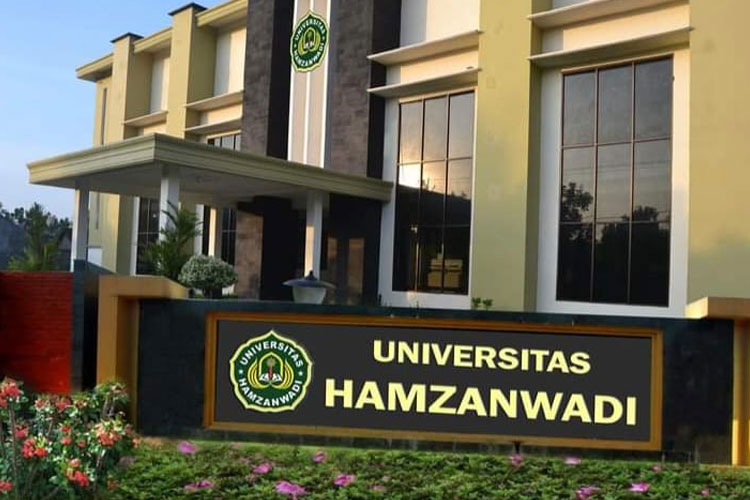
26 - 28 August, 2026 | Universitas Hamzanwadi, Lombok, Indonesia
IMPORTANT ANNOUNCEMENT
Submissions are now closed.
The final deadline was 10 July 2026, and no further entries will be accepted.
Part of ETLTC Conference
Nutral Conference in Education on Science, Technology, Engineering, and Mathematics
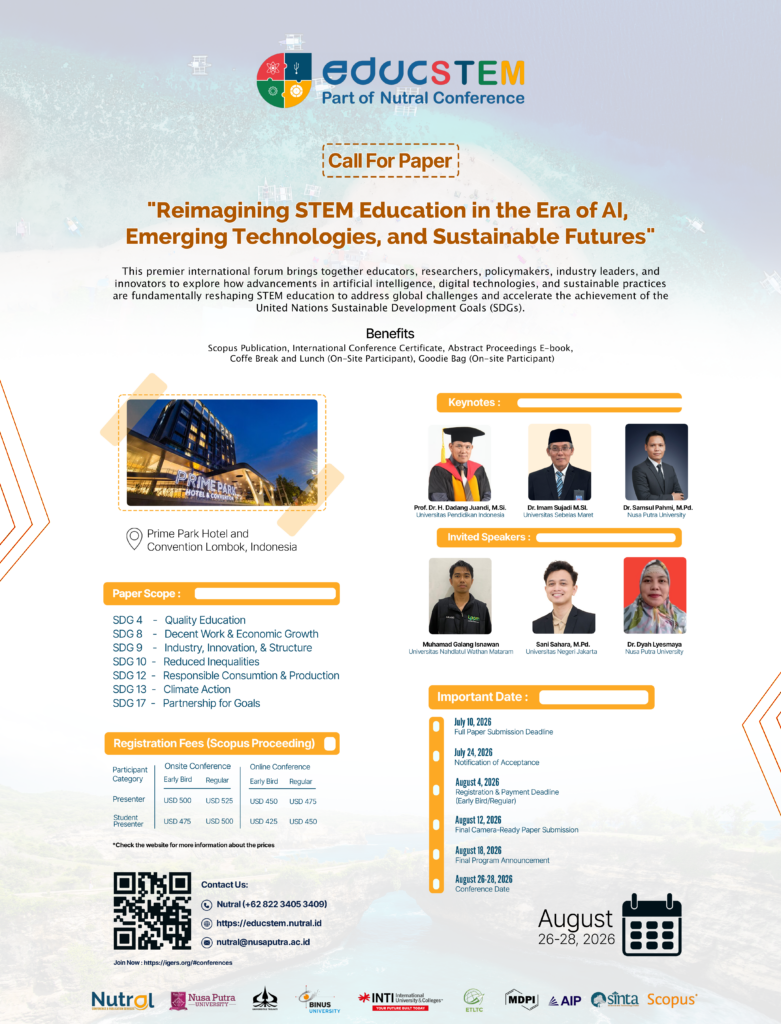
Theme: "Reimagining STEM Education in the Era of AI, Emerging Technologies, and Sustainable Futures"
Lombok Series
26 - 28 August, 2026 | Universitas Hamzanwadi, Lombok, Indonesia
IMPORTANT ANNOUNCEMENT
Submissions are now closed.
The final deadline was 10 July 2026, and no further entries will be accepted.
Welcome to Educ-STEM
Welcome to the Nutral Conference in Education on Science, Technology, Engineering, and Mathematics (Educ-STEM 2026), themed “Reimagining STEM Education in the Era of AI, Emerging Technologies, and Sustainable Futures”. This premier international forum brings together educators, researchers, policymakers, industry leaders, and innovators to explore how advancements in artificial intelligence, digital technologies, and sustainable practices are fundamentally reshaping STEM education to address global challenges and accelerate the achievement of the United Nations Sustainable Development Goals (SDGs).
The conference will showcase groundbreaking research, innovative pedagogies, and transformative case studies that highlight how STEM education directly contributes to quality education (SDG 4), fosters decent work and economic growth (SDG 8), drives industry innovation and infrastructure (SDG 9), reduces inequalities (SDG 10), promotes responsible consumption and production (SDG 12), supports climate action (SDG 13), and strengthens global partnerships (SDG 17). Join us in this inspiring movement to build a smarter, more inclusive, and sustainable world through STEM education and innovation.
Join us in Lombok to be part of this important conversation, where we envision a future where computing advancements do not only drive progress but also safeguard our digital and environmental futures.
Scopes
Topics of Interest include, but not limited to :
SDG 4: Quality Education
- Scientific literacy and inquiry-based science learning
- Virtual laboratories, digital practicum, and science simulations
- Development of innovative teaching materials and educational media
- E-learning, mobile learning, and smart classrooms
- Intelligent tutoring systems, chatbots, and adaptive learning technologies
- Context-based and real-world mathematics education
- Inclusive mathematics education and differentiated instruction
SDG 8: Decent Work & Economic Growth
- Vocational, polytechnic, and technical education in STEM
- Industry-academia collaboration in engineering education
- Curriculum development for Industry 4.0 and Society 5.0
- Project-based learning and problem-solving in engineering education
- Product innovation, prototyping, and entrepreneurship in technical education
- Competitions, hackathons, and innovation challenges
SDG 9: Industry, Innovation & Infrastructure
- Utilization of digital technologies (AR/VR, AI, IoT) in education
- Development of technology-based educational applications and platforms
- Cloud computing and open educational resources (OER)
- Big data, learning analytics, and personalized learning
- Integration of mathematics software (GeoGebra, MATLAB, etc.)
- Interdisciplinary approaches in teaching science and engineering
- Smart classrooms as digital learning infrastructure
SDG 10: Reduced Inequalities
- Environment-based and local wisdom-oriented science education
- Digital safety, ethics, and technology literacy in education
- Integration of social media as a learning platform
- Interdisciplinary integration of mathematics with STEM disciplines
- Inclusive approaches in science, engineering, and mathematics education
SDG 12: Responsible Consumption & Production
- Sustainable engineering practices in education
- Green science & sustainability issues in science education
- Education for resource-efficient innovation and eco-friendly prototyping
- Development of scientific process skills linked to sustainable practice
SDG 13: Climate Action
- Contemporary issues in science education (climate change, sustainability)
- Circular economy perspectives in STEM learning
- Environmental policies & education for ecological responsibility
- Using simulations and modeling for climate-related education
SDG 17: Partnerships for the Goals
- Research-based STEM learning practices for development
- Strengthening global collaboration in STEM education research
- Public–private partnerships in digital and engineering education
- Knowledge-sharing platforms for STEM integration
SDG 4: Quality Education
- Scientific literacy and inquiry-based science learning
- Virtual laboratories, digital practicum, and science simulations
- Development of innovative teaching materials and educational media
- E-learning, mobile learning, and smart classrooms
- Intelligent tutoring systems, chatbots, and adaptive learning technologies
- Context-based and real-world mathematics education
- Inclusive mathematics education and differentiated instruction
SDG 8: Decent Work & Economic Growth
- Vocational, polytechnic, and technical education in STEM
- Industry-academia collaboration in engineering education
- Curriculum development for Industry 4.0 and Society 5.0
- Project-based learning and problem-solving in engineering education
- Product innovation, prototyping, and entrepreneurship in technical education
- Competitions, hackathons, and innovation challenges
SDG 9: Industry, Innovation & Infrastructure
- Utilization of digital technologies (AR/VR, AI, IoT) in education
- Development of technology-based educational applications and platforms
- Cloud computing and open educational resources (OER)
- Big data, learning analytics, and personalized learning
- Integration of mathematics software (GeoGebra, MATLAB, etc.)
- Interdisciplinary approaches in teaching science and engineering
- Smart classrooms as digital learning infrastructure
SDG 10: Reduced Inequalities
- Environment-based and local wisdom-oriented science education
- Digital safety, ethics, and technology literacy in education
- Integration of social media as a learning platform
- Interdisciplinary integration of mathematics with STEM disciplines
- Inclusive approaches in science, engineering, and mathematics education
SDG 12: Responsible Consumption & Production
- Sustainable engineering practices in education
- Green science & sustainability issues in science education
- Education for resource-efficient innovation and eco-friendly prototyping
- Development of scientific process skills linked to sustainable practice
SDG 13: Climate Action
- Contemporary issues in science education (climate change, sustainability)
- Circular economy perspectives in STEM learning
- Environmental policies & education for ecological responsibility
- Using simulations and modeling for climate-related education
SDG 17: Partnerships for the Goals
- Research-based STEM learning practices for development
- Strengthening global collaboration in STEM education research
- Public–private partnerships in digital and engineering education
- Knowledge-sharing platforms for STEM integration
Call For Paper Brochure
Publication Opportunity
As part of our commitment to enhancing the quality and visibility of scholarly work, this conference collaborates with the ETLTC Conference Series for proceedings publication. Selected articles that have undergone peer review and fall within the scope of the ETLTC Conference Series will be published in their proceedings, as has been practiced in previous conferences.
The ETLTC Conference Series has established partnerships with Engineering Proceedings (MDPI) and AIP Publishing, both indexed by Scopus, offering a broad opportunity for researchers to publish their work in reputable international outlets.
Since not all research fields can be accommodated under the ETLTC Conference Series, the organizing committee is currently in the process of establishing contracts with additional publishers, including Scopus-indexed proceedings and reputable journals (Scopus-indexed / Nationally Accredited by Sinta), in accordance with the relevance of specific research fields.
Detailed information regarding the publication aims and the list of official publication outlets will be announced on the website once the contracts with the respective publishers have been finalized.

Important Dates
Full Paper Submission Deadline
10 July 2026
Notification of Acceptance
24 July 2026
Registration &
Payment Deadline
(Early Bird/Regular)
4 August 2026
Final Camera-Ready
Paper Submission
12 August 2026
Final Program Announcement
18 August 2026
Conference Date
26 - 28 August 2026
Welcome Speech
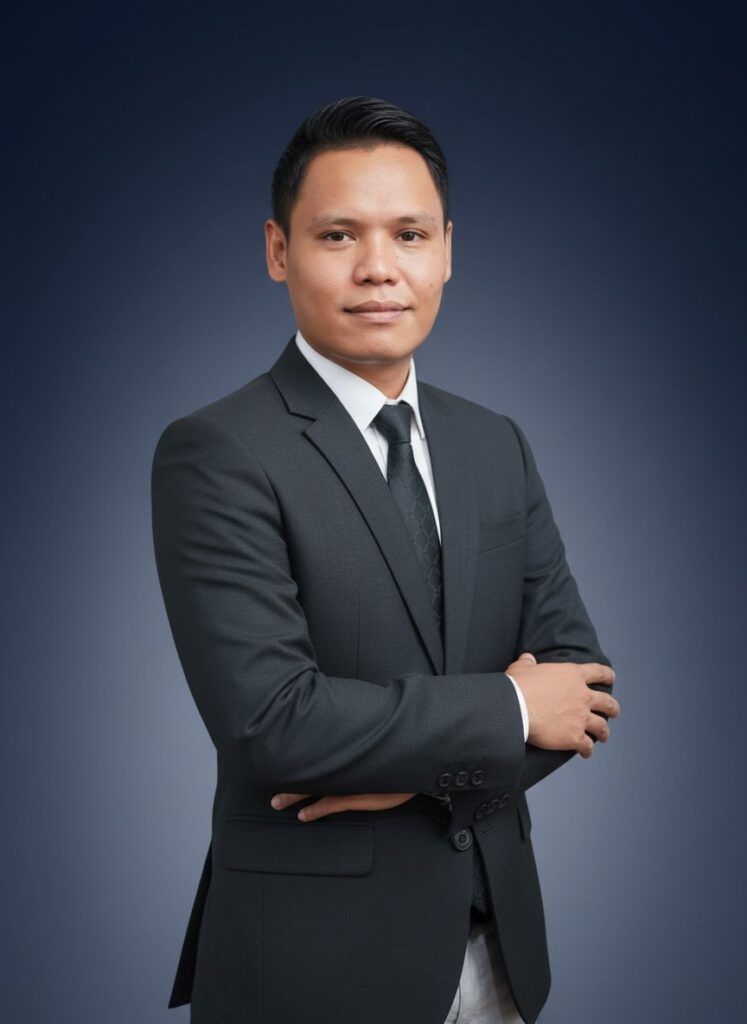
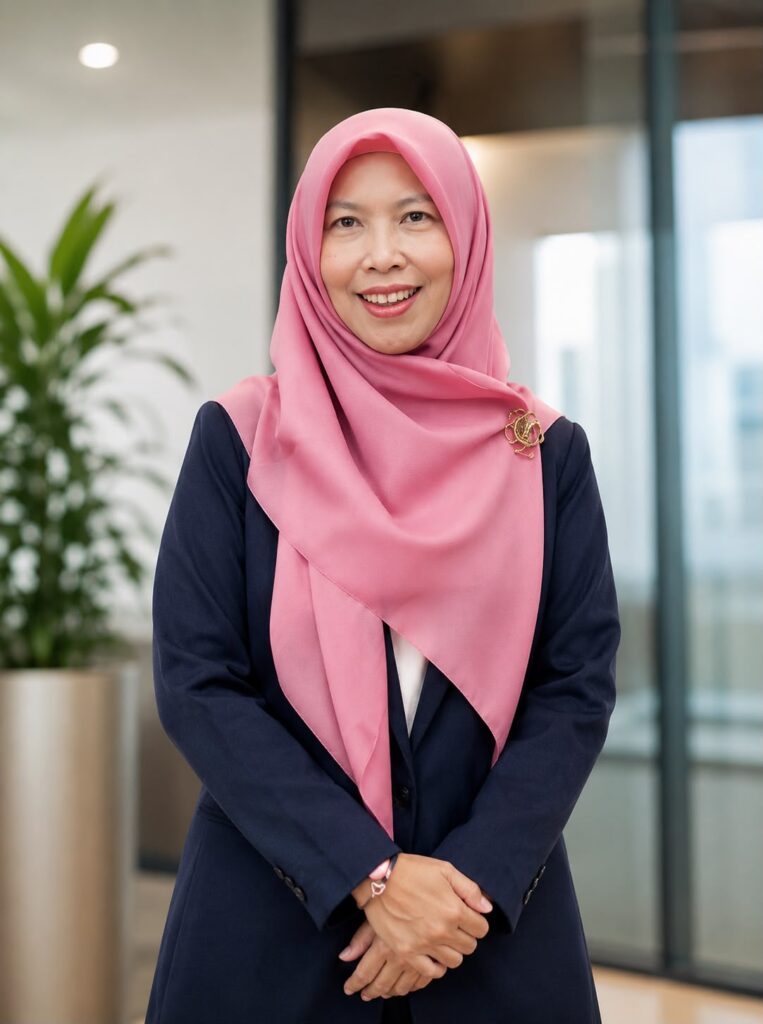
Dr. Samsul Pahmi, M.Pd.
Vice Rector of Nusa Putra University
SCOPUS ID: 57203167203
About Speaker
Dr. Samsul Pahmi, S.Pd., M.Pd., serves as Vice Rector for Academic Affairs at Nusa Putra University. He holds a bachelor’s degree in Mathematics Education from Universitas Hamzanwadi, a master’s degree from STKIP Siliwangi, and a doctoral degree from Universitas Pendidikan Indonesia.

His research focuses on mathematics education, the use of Virtual Reality and Augmented Reality in learning, and mathematics anxiety among students and prospective teachers. His scholarly works are published in various scientific journals and indexed in SINTA under ID 6587022. He also develops innovative mathematics learning strategies and copyrighted works that support the interactive understanding of mathematical concepts.
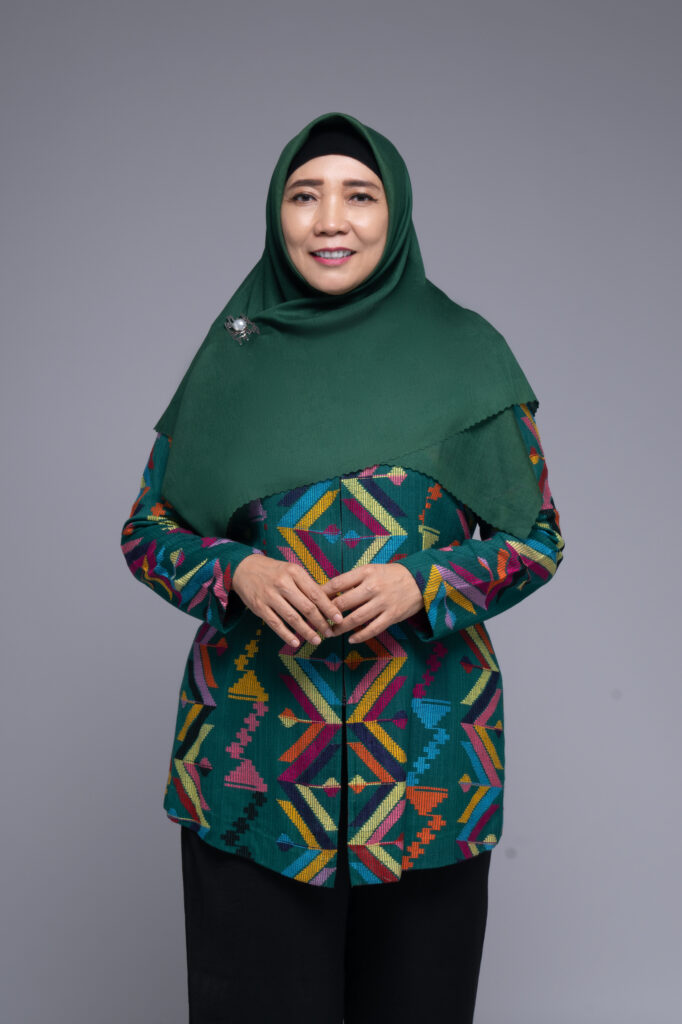
Dr. Ir. Hj. Sitti Rohmi Djalilah, M.Pd.
Rector of Universitas Hamzanwadi
SCOPUS ID: 59248642500
About Speaker
Dr. Ir. Hj. Sitti Rohmi Djalilah, M.Pd., is the Rector of Universitas Hamzanwadi and an Associate Professor in the Faculty of Education, specializing in Science Education and Educational Management. She earned her doctorate in Management Science from Universitas Negeri Jakarta (2016), her master’s degree in Science Education from Universitas Sebelas Maret (2011), and her bachelor’s degree from Institut Teknologi Sepuluh Nopember (1992).
Her research focuses on educational management, institutional leadership, Islamic values in education, and community-based learning. She has contributed to studies on Islamic school leadership, stunting prevention, and gender mainstreaming in educational communities. As an academic leader and researcher, she is committed to advancing quality, equity, and community development through values-based educational management.
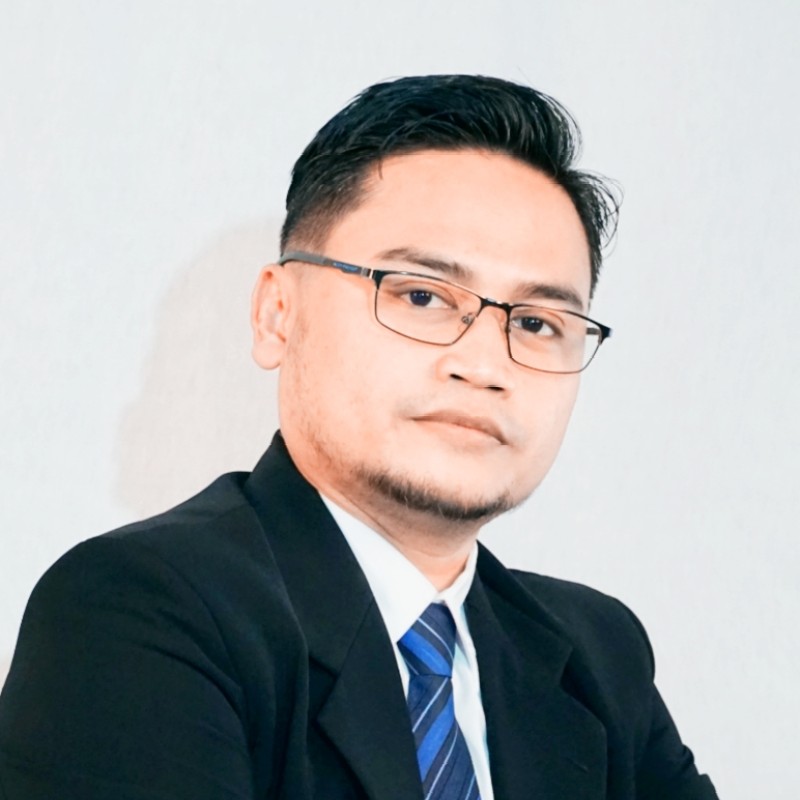
Ir. Anggy Pradiftha Junfithrana, S.Pd., M.T.
Director of NUTRAL
Nusa Pura University
SCOPUS ID: 57203173216
About Speaker
Anggy Pradiftha Junfithrana is a researcher, academic, and technology leader. He currently serves as President Director of Nutral.id and Director of Development at Nusa Putra University of America. He earned his bachelor’s degree from Nusa Putra University and his master’s degree from Universitas Indonesia.
His research focuses on telecommunications, wireless sensor networks, the Internet of Things (IoT), multimodal sensing, and intelligent monitoring and control systems, with particular interest in smart agriculture and aquaculture, energy-efficient sensor networks, and data-driven environmental monitoring. He is a Senior Member of IEEE and a member of the Institution of Engineers Indonesia.
Keynote Speakers
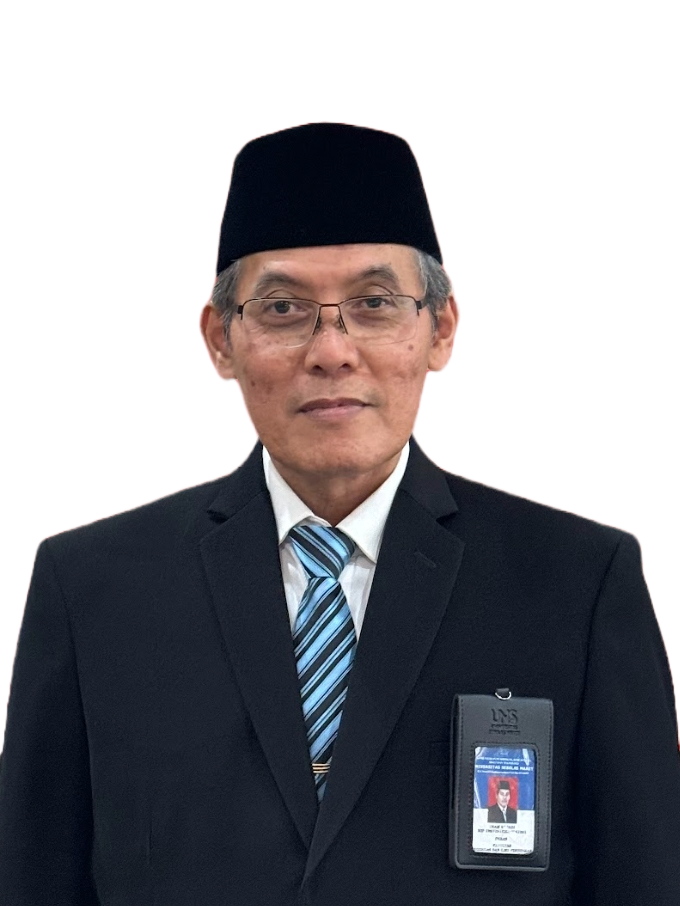
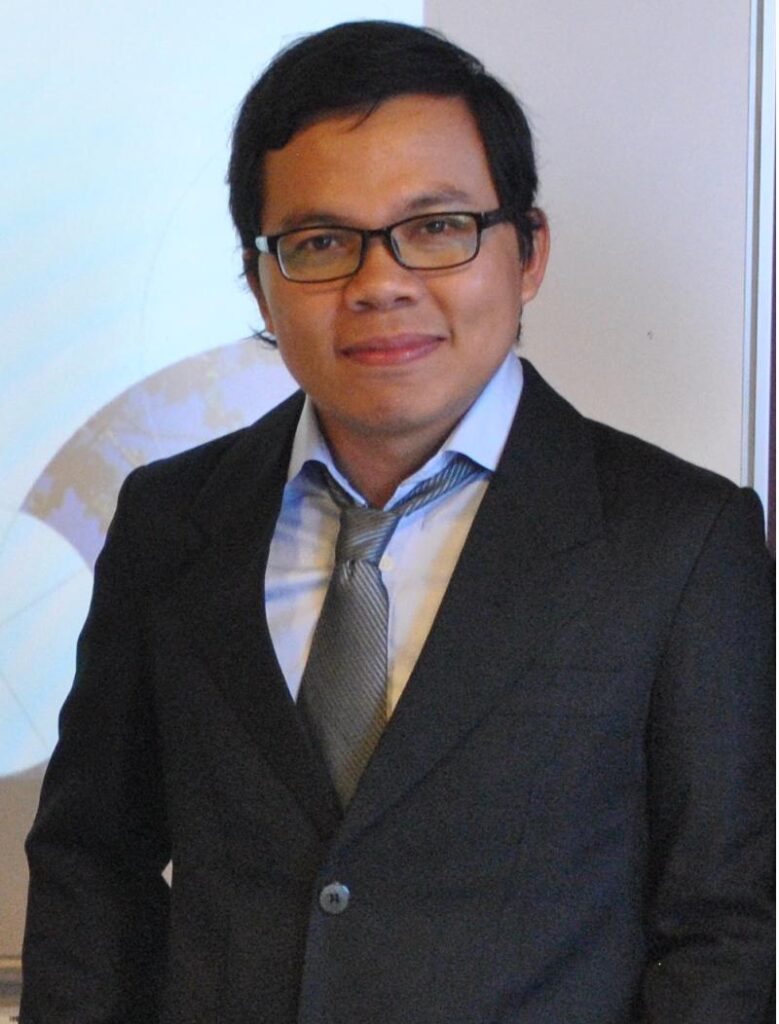
Dr. Imam Sujadi M.Si.
Universitas Sebelas Maret
Scopus ID : 57189004992
About Speaker
Dr. Imam Sujadi, M.Si., is the Dean of the Faculty of Teacher Training and Education at Universitas Sebelas Maret (UNS), where he also serves as a senior academic and lecturer in Mathematics Education. He holds a bachelor’s degree in Mathematics Education from Semarang State University, a master’s degree in Mathematics from Gadjah Mada University, and a doctoral degree in Mathematics Education from Surabaya State University.
His expertise and research focus on mathematics education, innovative teaching methods, and numeracy development. He has contributed extensively to research, academic publications, student supervision, and community service, particularly through the development of effective mathematics learning models for primary and secondary education.
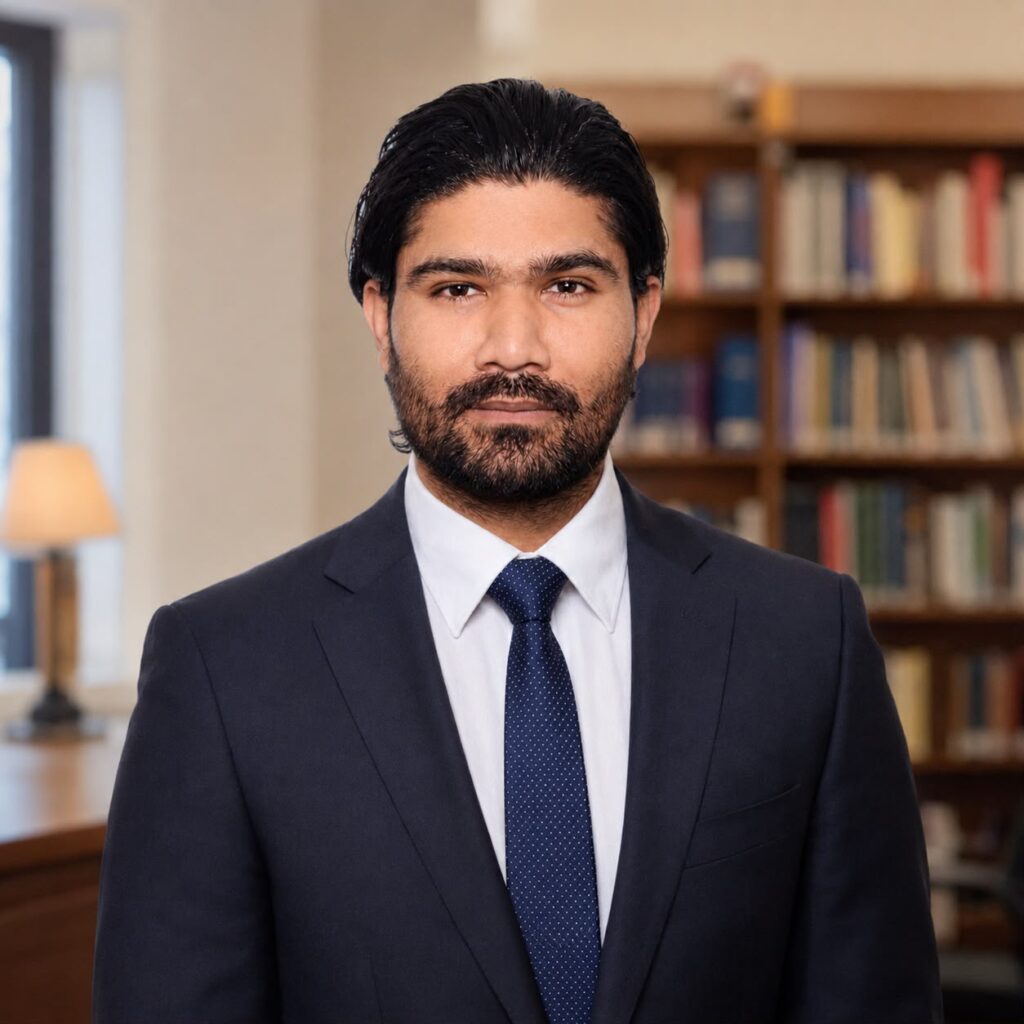
Sagheer Ahmad, Ph.D.
University of Wisconsin-Madison, USA
Scopus ID : 58277536100
About Speaker
Sagheer Ahmad is a scholar of mathematics and STEM education and a Graduate Assistant in the Department of Curriculum and Instruction at the University of Wisconsin Madison. He is currently pursuing a second PhD in Curriculum and Instruction at the University of Wisconsin Madison. He earned a PhD in Mathematics Education from Julius Maximilians University of Würzburg, Germany, an MPhil in Science Education from the University of the Punjab, and a Bachelor of Science in Education from the University of the Punjab.
His research focuses on instructional design, educational technology, culturally responsive teaching, STEM curriculum development, assessment in the era of artificial intelligence, ethnomathematics, and teacher professional learning. He previously served as a lecturer and research assistant at Julius Maximilians University of Würzburg and completed a postdoctoral appointment in Mathematics Education there. His work has been published in international journals and academic books in the field of education.
Prof. Zetra Hainul Putra, Ph.D.
Universitas Riau
Scopus ID : 57204468035
About Speaker
Zetra Hainul Putra is a Professor of Mathematics Education at the Faculty of Teacher Training and Education, Universitas Riau, Pekanbaru, Indonesia, and currently serves as Head of the Department of Educational Sciences. He earned his Ph.D. in Mathematics Didactics from the University of Copenhagen, Denmark.
His research focuses on digital technology in mathematics education, teachers’ mathematical, didactic, and technological knowledge, the Anthropological Theory of the Didactic, Malay ethnomathematics, and research methodology. He has actively participated in international collaborations and published widely in peer reviewed journals.
Invited Speakers
Dr. Muhamad Galang Isnawan, M.Pd.
Universitas Nahdlatul Wathan Mataram
Scopus ID : 57483772400
About Speaker
Dr. Muhamad Galang Isnawan, M.Pd. is a mathematics education scholar and lecturer at Universitas Nahdlatul Wathan Mataram. His academic expertise includes mathematics didactics, didactical design research, mathematical representation, epistemic learning patterns, learning obstacles, and the integration of technology in mathematics education. He has published extensively in national and international journals and has conducted research on mathematics learning, including fractions, online learning, problem-solving, and the development of prospective teachers’ competencies. He is also the author of works on quasi-experimental research and completed his doctoral dissertation on didactical design for teaching fractions. With his expertise and extensive research experience, Dr. Muhamad Galang Isnawan is well qualified to serve as a keynote speaker in mathematics education.
Dr. Sani Sahara, M.Pd.
Universitas Negeri Jakarta
Scopus ID : 58018394600
About Speaker
Dr. Sani Sahara, M.Pd. is a lecturer in Primary Teacher Education in Universitas Negeri Jakarta, with interest in mathematics education. His research focuses on the didactics of primary school mathematics, teaching–learning design from an epistemological perspective, and the use of technology in mathematics education.
His doctoral degree in Mathematics Education in Universitas Pendidikan Indonesia examined didactical design in elementary school mathematics learning. Since then, he has continued to develop his work in both school and university settings, exploring how mathematical knowledge can be meaningfully transformed from scholarly mathematics into classroom practice.
Through his research and academic activities, Dr. Sahara aims to strengthen the connection between theory and practice in mathematics education and the design of didactics.
Dr. Dyah Lyesmaya
Nusa Putra University
SCOPUS ID : 57216271508
About Speaker
Dr. Dyah Lyesmaya, S.S., M.Pd. is a distinguished academic, researcher, and educator at Nusa Putra University, Indonesia, where she serves as the Head of the Master’s Program in Pedagogy. Her academic background includes a Bachelor's degree in German Literature from Padjadjaran University, a Master's degree in Primary Education, and a Doctorate in Primary Education from the Indonesia University of Education (UPI). Her research interests focus on literacy, pedagogy, teacher professionalism, character education, and innovative learning methodologies.
Throughout her career, Dr. Lyesmaya has made significant contributions to educational research and development, particularly in literacy education and learning innovation. She has authored numerous scholarly publications, books, and educational models, including literacy-based learning frameworks rooted in local wisdom. Her work has been recognized through national publications, intellectual property registrations, and international research collaborations in the fields of pedagogy and educational technology.
In addition to her academic achievements, Dr. Lyesmaya actively promotes educational excellence through teaching, research supervision, and community engagement. Her dedication to advancing educational quality and fostering innovative learning practices has established her as a respected figure in the field of pedagogy, contributing to the development of future educators and researchers in Indonesia.
Dr. Laila Fitriana S.Pd., M.Pd.
Universitas Sebelas Maret
SCOPUS ID : 57200372371
About Speaker
Dr. Laila Fitriana, S.Pd., M.Pd. is an academic, researcher, and mathematics education expert at the Faculty of Teacher Training and Education (FKIP), Universitas Sebelas Maret (UNS). She earned her bachelor’s and master’s degrees in Mathematics Education from Universitas Sebelas Maret and completed her doctoral degree (Ph.D.) in Mathematics and Natural Sciences at Yamaguchi University, Japan. Her areas of expertise include applied mathematics, mathematical modeling, the integration of digital technology and artificial intelligence (AI) into education, as well as numeracy literacy aligned with the Sustainable Development Goals (SDGs). With an extensive track record of over one hundred scientific publications, multiple patents, and active engagement in research and community outreach programs.
Conference Organizers & Partners
Host
Co-Host
Partners